


Choosing Plants for a Sustainable Garden
This is a subtitle for your new post
A sustainable garden does more than look good. It supports pollinators, builds healthy soil, slows runoff, and weaves your patch of green into the wider local ecology. In the UK, and especially around Cambridge with its heavy clays and increasingly variable weather, the plants you choose will decide how resilient your garden feels in five years, not just how it looks this summer. This guide will help you select plants that boost biodiversity and thrive with low intervention, and it will outline the most sustainable way to grow them.
Start with place, then pick the plants
Sustainability begins with match making. Plants that suit your soil, light, and moisture will establish faster, need less watering, and live longer. On Cambridge clays, that means choosing species that tolerate winter wet and summer dry. In shadier plots, prioritise woodland edge species. On sunny, free draining areas, think dry grassland plants. When you start with the site, you reduce inputs and disturbance, which is the quiet engine of a sustainable garden.
Native backbone, long-season interest
A strong native backbone supports the insects, birds, and soil life that evolved here. You do not need to go 100 percent native, but aim for at least 60 to 80 percent native structure, then weave in a small number of non invasive ornamentals for extended season and texture.
Good natives for UK gardens:
- Trees and shrubs: hawthorn (Crataegus monogyna), field maple (Acer campestre), crab apple (Malus sylvestris), hazel (Corylus avellana), spindle (Euonymus europaeus), dogwood (Cornus sanguinea), wild privet (Ligustrum vulgare).
- Hedges: mixed native hedging with hawthorn, blackthorn, dog rose, and field maple offers blossom, hips, and nesting.
- Perennials for sun: oxeye daisy (Leucanthemum vulgare), knapweed (Centaurea nigra), yarrow (Achillea millefolium), bird’s foot trefoil (Lotus corniculatus), ladies bedstraw (Galium verum), wild marjoram (Origanum vulgare), scabious (Scabiosa columbaria).
- Perennials for part shade: red campion (Silene dioica), foxglove (Digitalis purpurea), wood avens (Geum urbanum), sweet woodruff (Galium odoratum), primrose (Primula vulgaris).
- Ground layer: wild strawberry (Fragaria vesca), self heal (Prunella vulgaris), bugle (Ajuga reptans).
- Bulbs for early nectar: native bluebell (Hyacinthoides non scripta) where genuine, snake’s head fritillary (Fritillaria meleagris) for damp spots, wild daffodil (Narcissus pseudonarcissus), and crocus cultivars for urban reliability.
Thoughtful non natives that extend forage without displacing local ecology:
- Single flowered herbs and perennials like thyme, oregano, echinacea, and sedum (Hylotelephium) feed late season pollinators.
- Long flowering salvias and hardy geraniums bridge gaps between native bloom peaks.
Meadows, mini meadows, and sunny borders
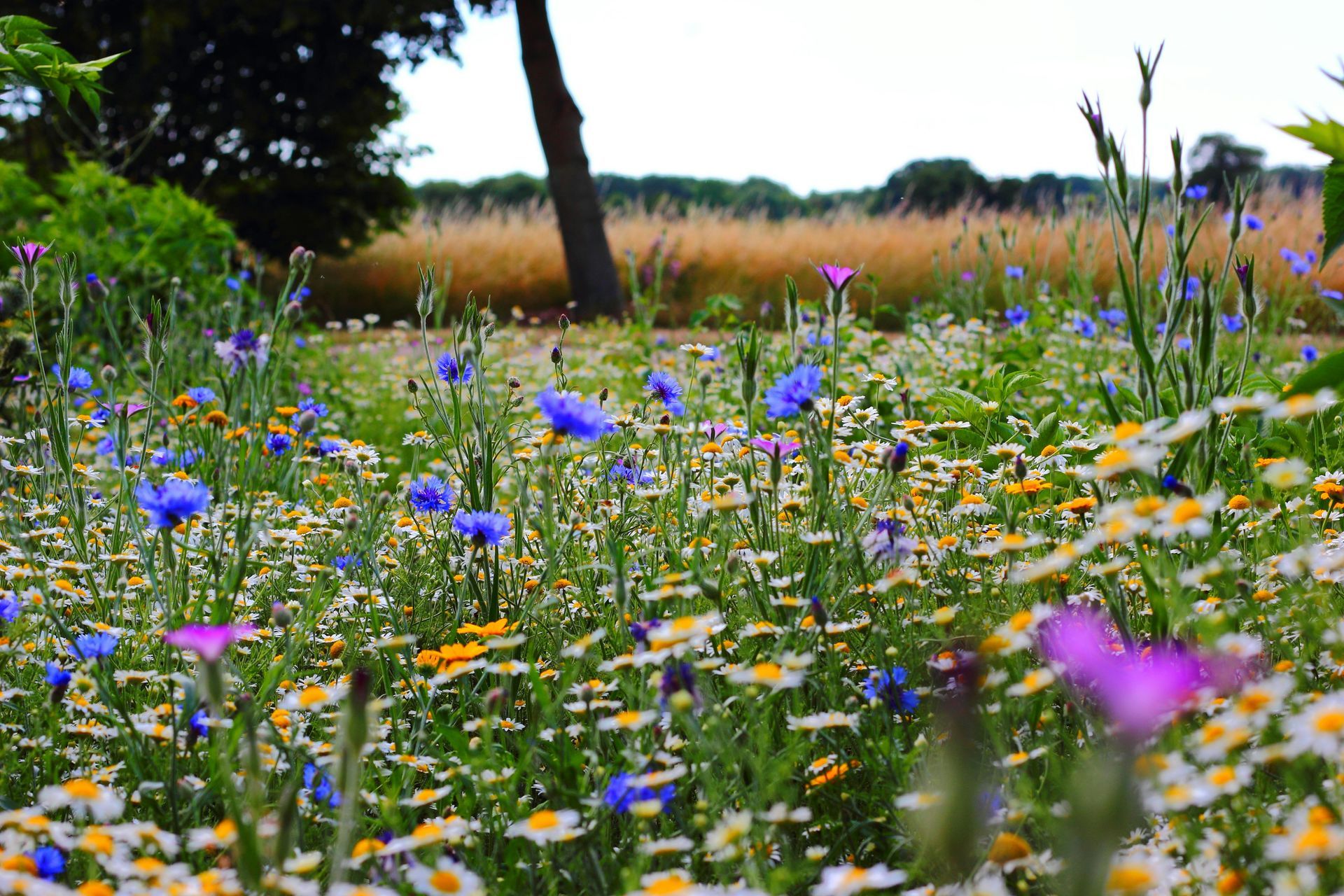
For many UK gardens, a meadow area is the single biggest biodiversity win. On larger plots you can establish a native wildflower meadow by autumn sowing into clean, low fertility ground. On smaller sites, try a mini meadow strip along a sunny fence or replace part of the lawn with a species rich grass and flower mix. Leave some areas unmown through summer, then cut and remove arisings once or twice a year to keep fertility low and flowers abundant.
If you are exploring meadow creation in and around Cambridge, you may find our practical guides to wildflower meadow design Cambridge inspiring with clear expectations on establishment and management. Similarly, if you are looking to plan or replan your wider plot, our approach to Cambridge ecological garden design puts habitat first while balancing daily use.
Shady gardens can be biodiverse too
Shade is not a barrier to sustainability. Think woodland edge. Layer small trees like hazel and crab apple with shrubs such as dogwood and holly, then underplant with ferns, primrose, sweet woodruff, and bluebell where appropriate. Deadwood log piles tucked in the shade become long term housing for beetles and solitary bees.
Ponds and shallow water dishes
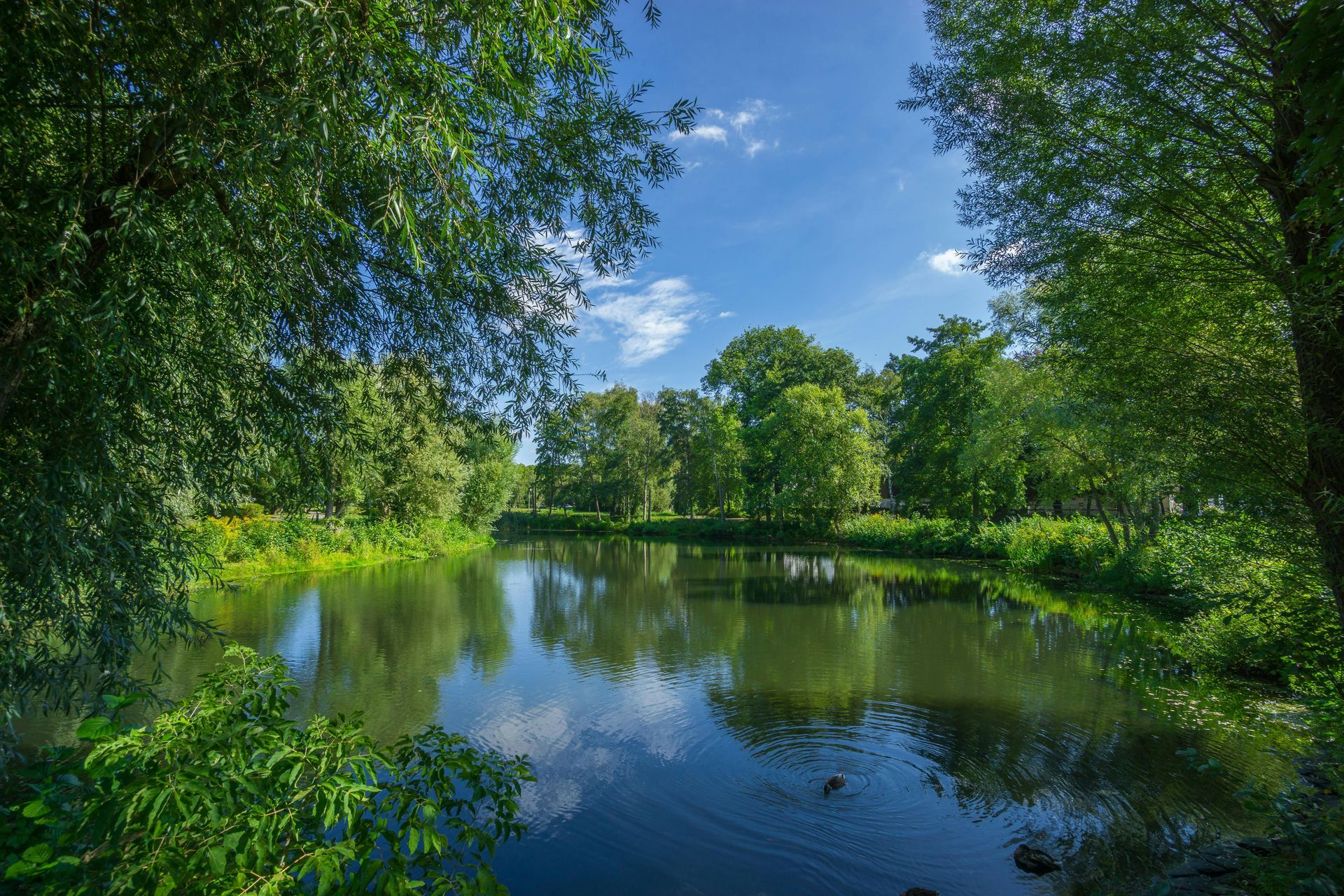
Even a small wildlife pond transforms a garden. Aim for gently sloping edges, a mix of submerged oxygenators, marginal flowering plants like water mint and marsh marigold, and at least one sunlit edge. If a pond is not possible, a shallow dish refreshed regularly still helps birds and insects in dry spells.
Drought and deluge resilience
UK weather is swinging between heavy rain and summer dry. Choose plants that cope with both, especially on clay. For rain garden spots, try purple loosestrife, meadowsweet, sedges, and tufted hair grass, then fade into drought tolerant edges with knapweed, wild marjoram, and yarrow. Mulch new plantings with a light organic layer after the soil has warmed to conserve moisture without smothering self seeders.
The most sustainable method for growing plants
Sustainability is as much method as species. Here is a simple framework that works across most UK gardens:
- Right plant, right place: reduce watering and interventions by matching plants to soil and light.
- Local provenance seed and plants: where possible choose UK grown natives with local seed sources to support genetics adapted to your climate.
- Improve soil life, not just soil texture: use leaf mould, homemade compost, and dead mulch to feed fungi and invertebrates. Avoid digging unless you are removing persistent weeds. No dig beds protect soil structure and carbon.
- Water wisely: prioritise autumn and early spring planting so roots establish in cooler, wetter months. Use stored rainwater. Water deeply and less often to encourage deep roots.
- Minimise chemicals: avoid routine pesticides and herbicides such as glyphosate. Tolerance for some nibbling allows predators to establish and balances the system.
- Let nature do part of the work: leave seed heads over winter for birds and beneficial insects. Delay the big tidy until spring. Keep leaf litter in quiet corners to shelter hedgehogs and beetles.
- Diversify structure: mix trees, shrubs, perennials, meadow, and a pond if you can. More layers mean more niches and a steadier food web.
In short, the most sustainable method is to plant for your place, establish in the right season, build soil health through low disturbance and organic matter, and manage with a light touch that allows natural cycles to unfold.
Low intervention management through the year
- Spring: edit, do not clear cut. Lift handfuls of thatch from meadow areas and cut back only what needs space.
- Summer: reduce mowing frequency and leave refuges. Provide water in heatwaves.
- Autumn: sow wildflower seed, plant bulbs, and split perennials when rain returns. This is the prime season for getting new natives in the ground.
- Winter: keep seed heads standing and log piles undisturbed. Move loose piles away from planned bonfire spots to protect wildlife.
Bringing it together in a small urban garden
Even in a terrace courtyard you can stack impact. A mixed native hedge on one boundary, a mini meadow strip, a small water bowl, and a handful of long flowering perennials create a nectar rich loop from March to October. Add a bee post, a log pile in shade, and a couple of night scented plants near seating for moths and evening enjoyment.
If you would like tailored, site specific support, our team works across the region to pair planting palettes with soil and microclimate. Explore our Cambridge sustainable garden consultancy to see how we design for resilience and measurable biodiversity on compact plots and larger sites alike. For homeowners planning a full refresh, this guide to how to design your garden sets out a clear, friendly process to move from ideas to a sustainable layout.
Summary
Sustainable gardens are living systems that thrive with the right plants in the right places and thoughtful, low intervention care. Build a native backbone, enrich with a few reliable ornamentals, add water, and manage lightly. Choose local provenance where you can, plant in autumn or early spring, and let seed heads and leaf litter support overwintering life. Whether you are trialling a mini meadow, reshaping a shady border, or planning a full redesign, a considered, habitat led approach will reward you with a beautiful space that genuinely supports wildlife and stands up to the UK’s changing climate.
