

Are you looking to Rewild your land?
Rewild Your Land: Restore Nature, leave a Lasting Legacy
Are you looking to rewild your land? Perhaps you're the custodian of a minimum of 1ha: an inherited paddock, or a large estate, that you've long meant to return to nature. A legacy of giving some of your land back to nature for future generations. A place to welcome nature, a place for nature to be, a place for natural processes to take hold again.
With wildfires making headlines across the UK this year, rewilding offers more than a legacy: it builds resilience. Restored, biodiverse landscapes hold more water, create natural firebreaks, and are far less prone to the rapid spread we've seen devastate our uplands. Rewilding your land isn't just a gift to nature; it's a safeguard for the future.
Nature recovery needs scale. Recovery of biodiversity and bioabundance means simply turning more land over to nature. If you have the land, want to change the way it's managed, and don't want to make the same mistakes as previous generations — are you ready to start your rewilding journey?
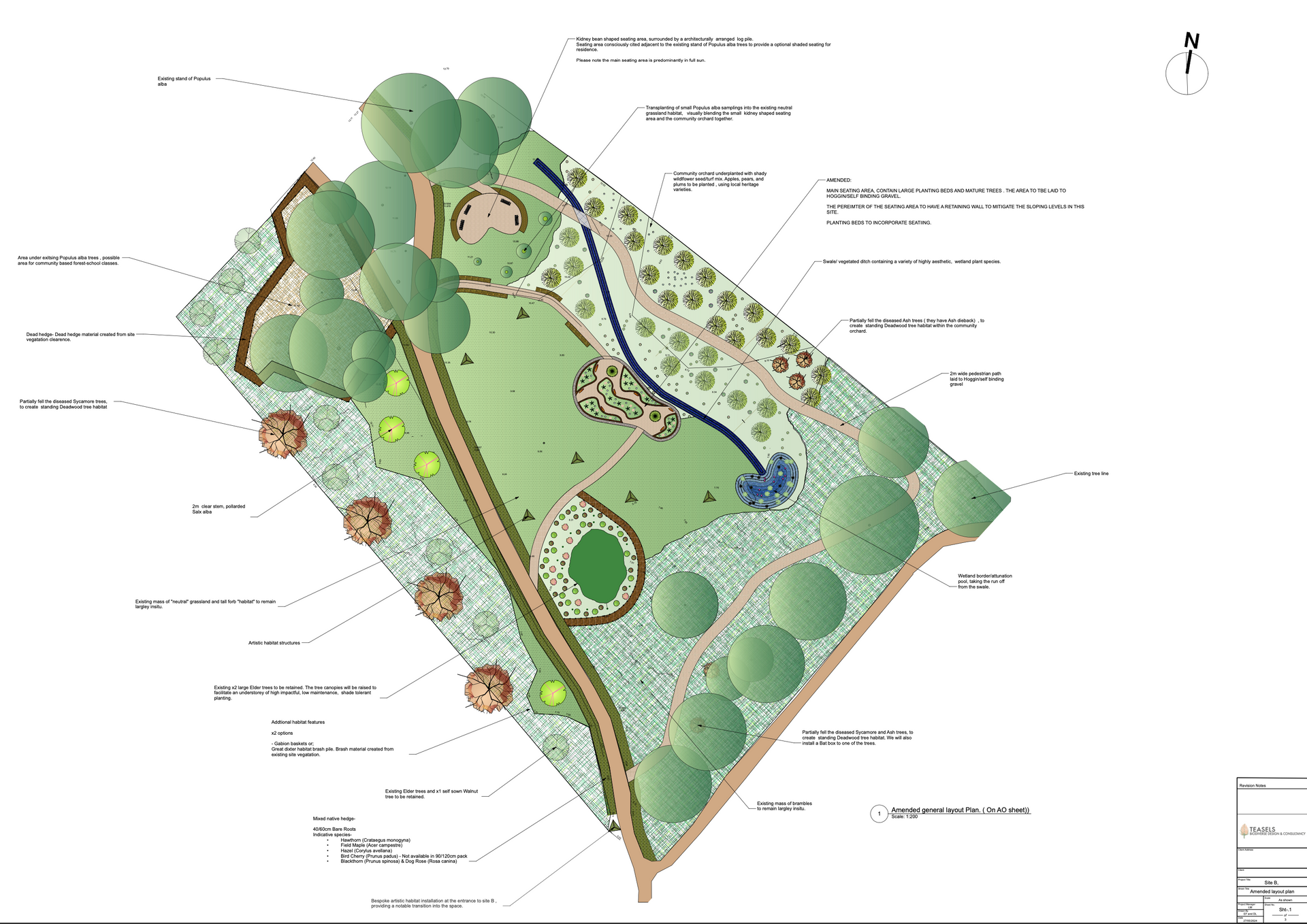
Ely BNG Garden
The brief...
The commercial client aimed to meet the Biodiversity Net Gain (BNG) planning condition for this site but was unable to achieve the required BNG uplift within the main development area. Our scheme needed to serve as a functional garden for residents while also meeting BNG requirements. The client sought a high-quality garden to enhance the rental income from residents and, in turn, increase the overall value of their asset
The vision...
For our commercial client, we achieved a 10% Biodiversity Net Gain (BNG) uplift using the statutory metric, enabling the development of this 70-unit project. On a sensitive County Wildlife Site, we retained the existing neutral woodland, incorporated neutral grassland, enhanced the existing scrub to a moderate condition, and planted a range of medium-sized native specimen trees
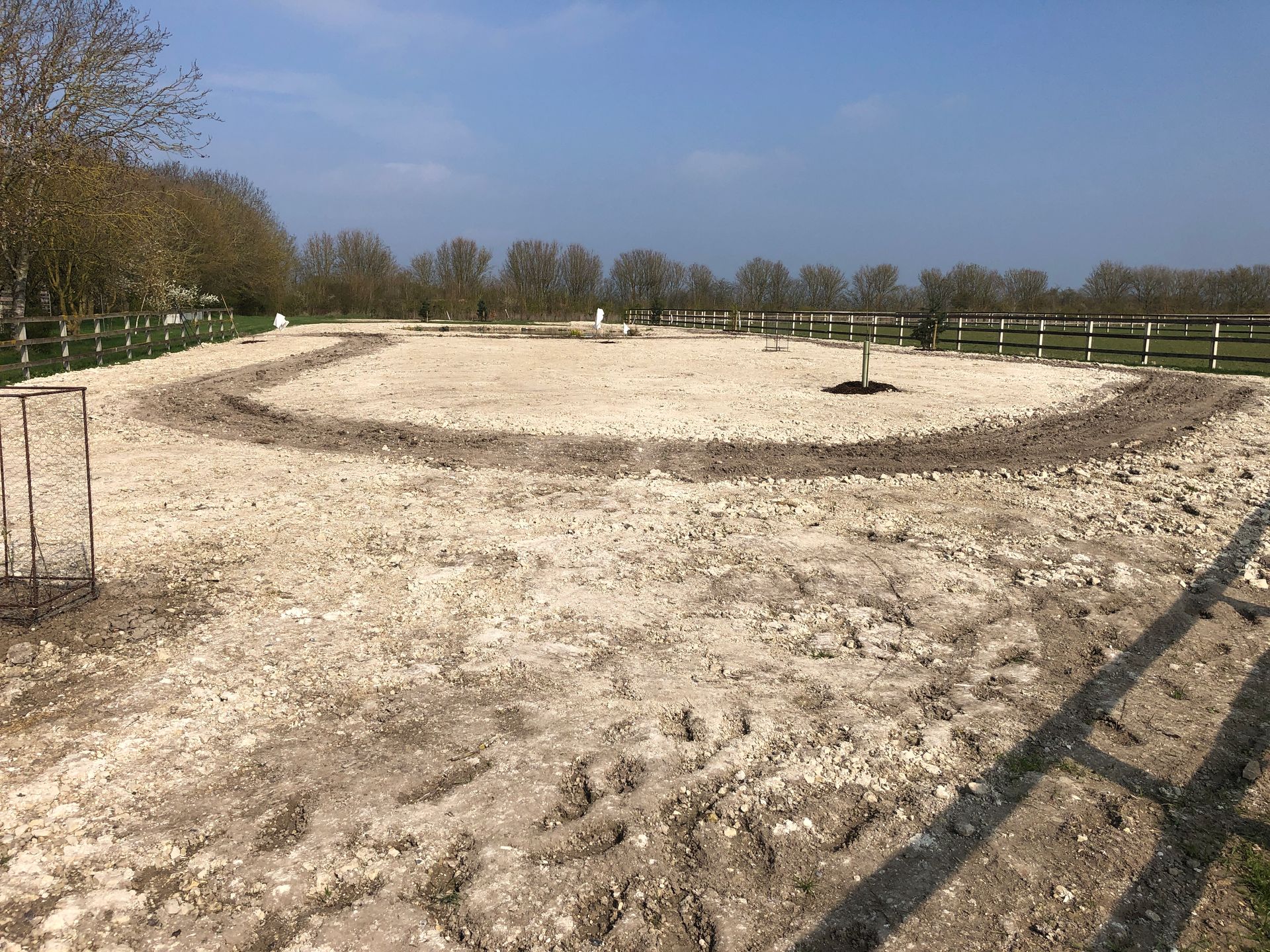
Calcareous wildflower Meadow
The brief...
To transform a barren paddock field into a biodiverse space with minimal input, we utilised UK-native wildflower species, creating a habitat that supports local ecology.
The vision...
Utilising the excavated chalk from the pond, we inverted the soil profile and sowed a calcareous seed mix directly into the chalk. The wildflower meadow was enriched with a variety of seven orchid species. By using the chalk, we achieved slower growth, which, in turn, significantly increased the net gain for biodiversity.
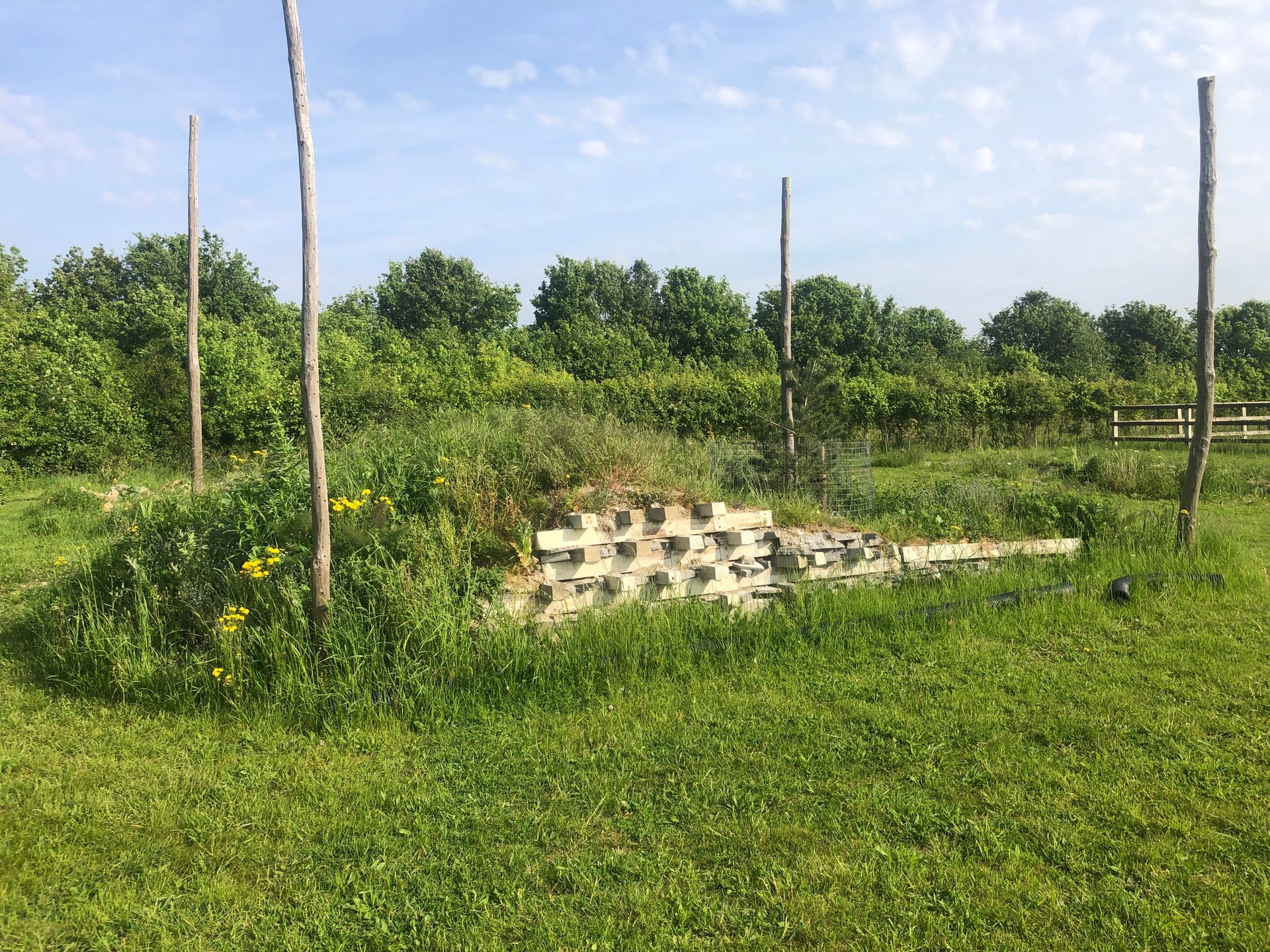
Hibernaculum
The brief...
The hibernaculum is designed to provide vital shelter for a diverse range of creatures. Amphibians, such as frogs, toads, and newts, often utilise these structures to escape extreme weather conditions, ensuring their survival during both hot summers and harsh winters. Reptiles, including species like grass snakes and slow worms, also find refuge in hibernacula, particularly during colder months when they need a safe place to hibernate.
Insects, such as solitary bees, beetles, and other pollinators, benefit from the hibernaculum as a secure space to overwinter. Additionally, its sunny aspects provide a resting spot for these species when active. Occasionally, small mammals, such as mice or shrews, may also take advantage of the protected environment within the hibernaculum, using it as a temporary shelter.
By offering a stable, secure habitat, the hibernaculum plays a crucial role in supporting biodiversity and enhancing the local ecosystem.
The vision...
For our commercial client, we achieved a 10% Biodiversity Net Gain (BNG) uplift using the statutory metric, enabling the development of this 70-unit project. On a sensitive County Wildlife Site, we retained the existing neutral woodland, incorporated neutral grassland, enhanced the existing scrub to a moderate condition, and planted a range of medium-sized native specimen trees.
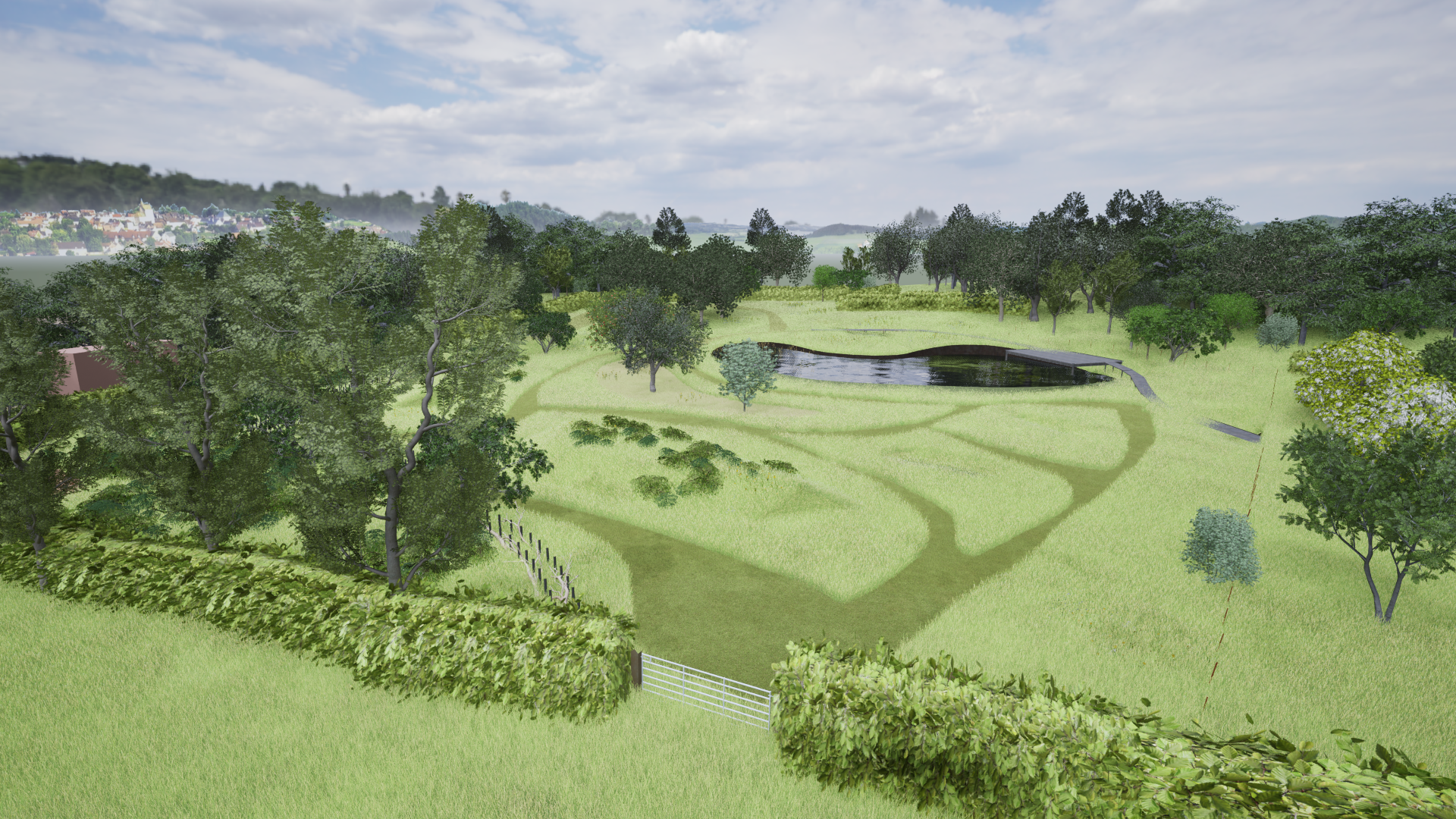
Rewilded paddock
The brief...
The client has a 1ha field which they inherited when they bought the property in 2004. They no longer use it for horses or livestock and want to rewild the paddock, doing the maximum possible for wildlife.
The vision...
Utilising 140 tonnes of crushed concrete and a 10cm layer of sharp sand, we established brownfield garden conditions. A wildflower seed mix was sown directly into the sand. By varying the depth of the substrate beneath the sand, we created an open mosaic of diverse growing conditions, which in turn supports a wide range of plant communities and enhances biodiversity.
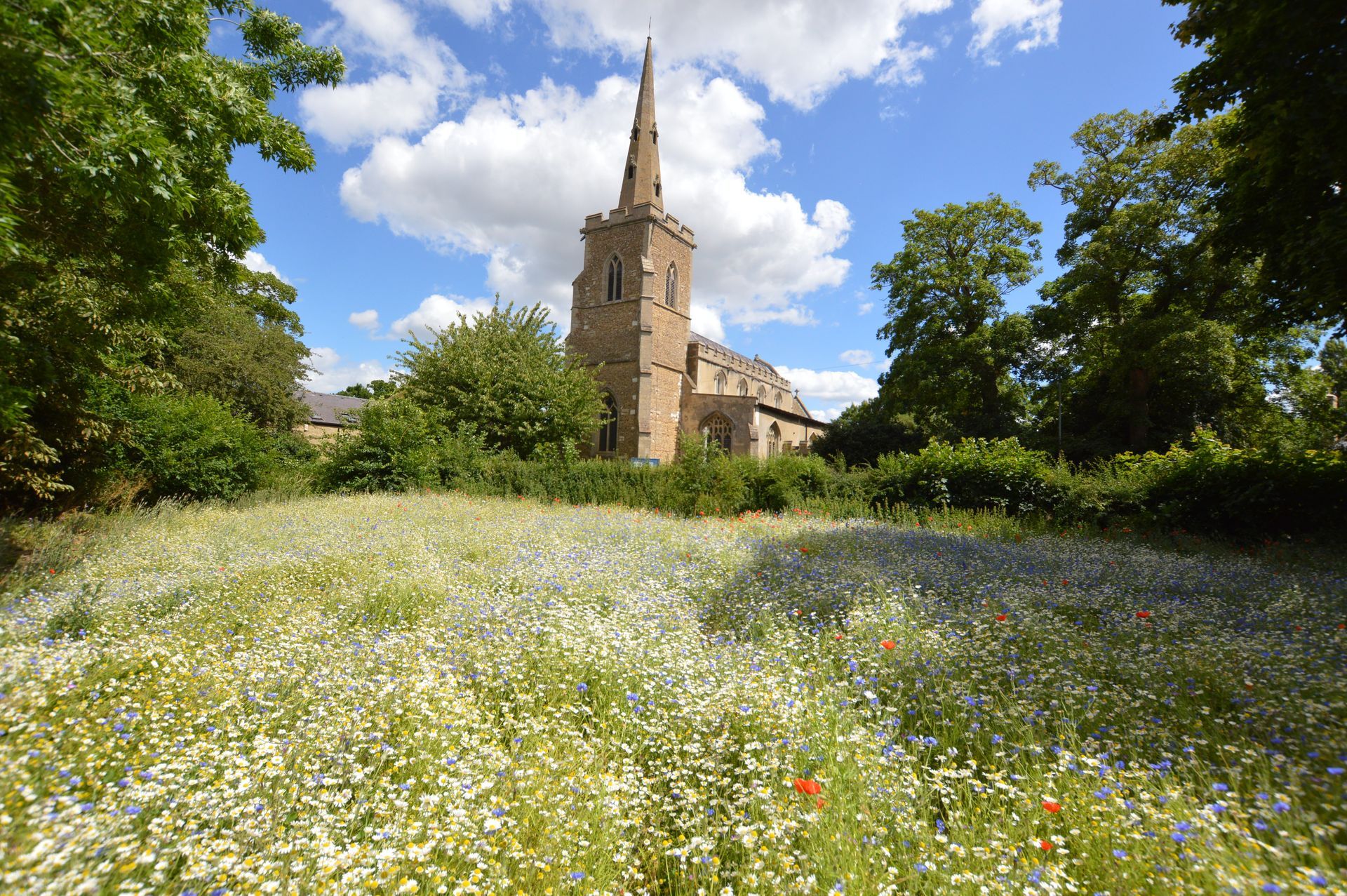
Cornflower annual meadow Cambridge
The brief...
The local parish council sought to enhance biodiversity within their parish while increasing forage resources for local wildlife, particularly the swift population that nests in the church spire, visible in the background of the project area. Recognising the importance of supporting these birds, the council made a conscious effort to improve forage availability within the recreation ground, which lies well within the swifts' core sustenance zone. This initiative reflects their commitment to fostering a healthier and more sustainable local ecosystem.
The local swift population has seen a significant increase, thanks to the excellent work of Action for Swifts, whose efforts have contributed to creating safe nesting habitats and raising awareness about the conservation of this iconic species.
The vision...
Before sowing, a soil sample was taken to assess fertility. The results showed high phosphate levels in the soil. To address this, a 10cm layer of topsoil was removed. Cornflower annuals were then sown alongside a calcareous perennial wildflower seed mix, creating a balanced and biodiverse planting scheme.
