

Environmental Design Courses and Careers: Study and Job Paths
Exploring environmental design: courses and careers
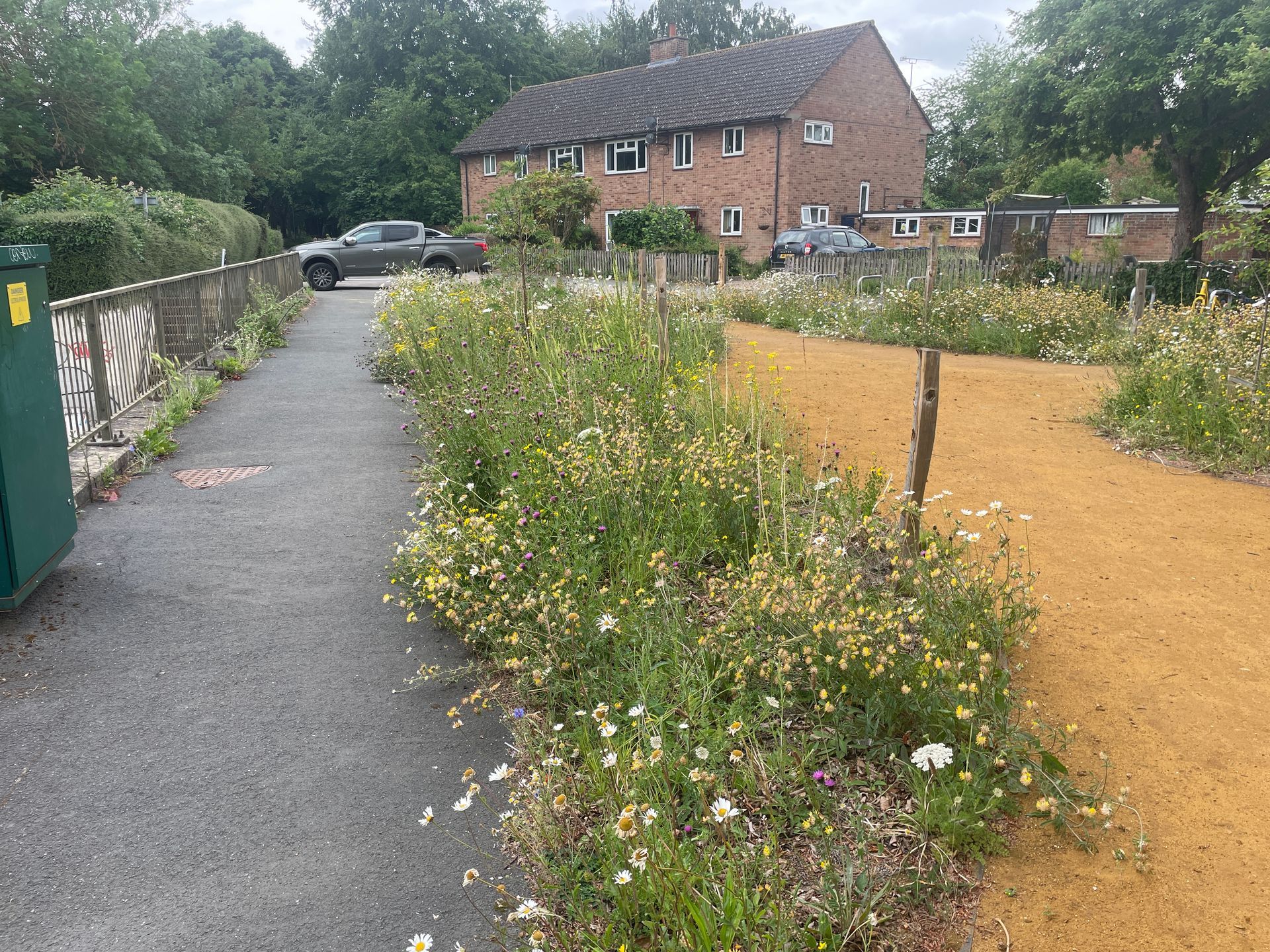
Environmental design is where creativity meets ecology. It blends architecture, landscape, urban planning, and product thinking with science-led sustainability so places work better for people and nature. If you are curious about how spaces can reduce environmental impact while enriching daily life, this field offers a rich path of study and a meaningful career.
In this overview, we break down what environmental designers actually do, how environmental design differs from interior design, what to expect from an environmental design course, and where this training can lead. We also touch on options close to home if you live in or around Cambridge and care about nature-first design.
What environmental design means in practice
Environmental design looks at whole places and systems. Rather than focusing on a single element, the work integrates energy, water, materials, biodiversity, and human experience into one coherent approach. Designers map how light, shade, hydrology, soils, planting, access, and maintenance interact, then propose solutions that are resilient over time.
In domestic settings, this can include rain-smart gardens that slow and soak water, native-first planting that supports pollinators, and simple habitat microfeatures such as log piles or bee posts. In public or development contexts, it can mean integrating green roofs, meadows, ponds, hedges, and SuDS-compatible planting into schemes that must satisfy planning and Biodiversity Net Gain (BNG) aims.
What does an environmental designer do?
An environmental designer evaluates a site, identifies constraints and opportunities, and develops proposals that balance usability, beauty, and sustainability. Typical tasks include:
Site analysis, covering soils, aspect, hydrology, existing habitats, and microclimate.- Concept and detailed design that integrate planting, water, access, and materials with low-intervention maintenance.
- Collaboration with architects, planners, ecologists, and installers to align delivery with environmental goals and planning requirements.
On small urban projects, the role might involve turning a compact courtyard into a layered, habitat-rich space with a mini meadow strip and shallow water features. On larger schemes, it can include mapping habitat parcels, preparing BNG assessments, and coordinating nature-led planting that responds to clay soils and storm patterns.
If you are exploring local examples, you can see how environmental design flows into practical services in Cambridge through our pages on Cambridge design for sustainability and Cambridge sustainable garden consultancy. These show how ecological principles become tangible gardens and community spaces.
Environmental design vs interior design
Interior design focuses on the function, flow, and aesthetics of indoor spaces. It deals with materials, lighting, furniture, finishes, and how rooms support everyday life. Environmental design, by contrast, spans indoors and outdoors but is grounded in ecological performance and long-term resource use. It looks outward to land, water, biodiversity, and climate resilience, and inward to material health, daylighting, and energy behaviour.
The two can complement each other. An interior designer might select non-toxic finishes and optimise light for wellbeing, while an environmental designer ensures the building and landscape address runoff, native planting, shade, and thermal comfort. In a home or campus project, you often need both: one shaping interior experience, the other coordinating place-scale systems that sustain people and nature.
What is an environmental design course?
An environmental design course introduces students to place-led thinking and the methods that bring it to life. While modules vary, you typically encounter:
Systems thinking for land, water, energy, and materials, including SuDS basics and rain-garden principles.- Ecology for designers, covering native planting, habitat creation, and biodiversity uplift.
- Site analysis skills, from soil testing and hydrology mapping to aspect and microclimate studies.
- Design communication, including concept plans, planting schedules, and delivery notes.
- Policy and practice, often with an introduction to planning, BNG metrics, and collaborative workflows.
Many programmes encourage hands-on projects such as creating small wildflower areas, testing runoff strategies, or developing native hedge mixes. If your interests lean toward gardens and landscape, look for courses that cover meadow establishment, water-sensitive planting, and habitat microfeatures alongside core design tools. Our guide to how to design your garden gives a feel for site-first, ecology-led thinking that aligns with modern environmental design education.
Pathways and careers
Career routes are varied and can align with your strengths:
Landscape and garden design with a biodiversity focus, from domestic plots to community spaces.- Urban design and public realm, integrating green infrastructure such as rain gardens, hedges, and meadow corridors.
- Environmental consultancy, including ecology survey support and BNG-aligned documentation for planning.
- Design research and education, shaping guidance and community engagement around climate resilience and native planting.
If you are in Cambridge, roles increasingly value practical ecological skills. Understanding Cambridge clays, drought-and-deluge planting mixes, and seasonal aftercare can set you apart. Real-world exposure is invaluable, whether through volunteer projects, placements, or portfolio pieces that show how you balance access, habitat, and low-intervention care.
For a sense of how planning and biodiversity fit into practice, explore our overview of what is Biodiversity Net Gain and how a BNG assessment or ecology survey supports a submission. These topics appear frequently in environmental design job descriptions, especially on compact urban sites.
Skills that help you thrive
Environmental design rewards curiosity and collaboration. Strong spatial thinking, clear communication, and confidence with ecological terminology are essential. You will also benefit from:
Comfort with iterative design and evidence-led decisions.- Willingness to test and refine planting in response to soil and microclimate.
- Sensitivity to community needs, access, and long-term maintenance realities.
You do not need to be an expert botanist to start. A good course builds your fluency over time and encourages you to link design intent with measurable environmental outcomes.
Getting started
If you are choosing a course, review module lists for ecology depth, hands-on site analysis, and exposure to policy. Seek tutors or studios that take a native-first approach and teach maintenance planning as part of design. Consider building your portfolio with small projects, from a mini meadow strip to a simple rain-garden swale, that demonstrate both design and care.
If you want to see how this translates to practice in and around Cambridge, you can browse our resources on Cambridge ecological garden design and seasonal, habitat-first project ideas. For inspiration, our country gardens ideas page also shows how characterful spaces can remain wildlife friendly.
FAQ
- What does an environmental designer do?
They analyse sites and create designs that integrate water, planting, access, and materials to improve environmental performance and user experience, often coordinating with planning and BNG needs.
What is the difference between interior design and environmental design?
Interior design focuses on indoor function and finishes. Environmental design takes a systems view of places, outdoors and in, prioritising ecology, water, materials, and long-term resilience.
What is an environmental design course?
It is a programme that teaches site analysis, ecology for designers, systems thinking, design communication, and policy context, preparing you to create sustainable, habitat-rich places.
Summary and next steps
Environmental design brings together art, ecology, and practicality. It helps you shape spaces that are beautiful to live with and kinder to the planet. Whether you aim to become a landscape designer, urban practitioner, or consultant focused on biodiversity, a solid course and a portfolio of site-led work will set you on a purposeful path.
If you would like to explore how ecological design could shape your project, especially in Cambridge and the South East, start with our introduction to Cambridge design for sustainability or read more about what is Biodiversity Net Gain. And if you are planning a garden of your own, our guide on how to design your garden offers simple, site-first steps to begin.
