

Turning lawns into living meadows: The joy (and science) of wildflower meadow design
Wildflower meadow design
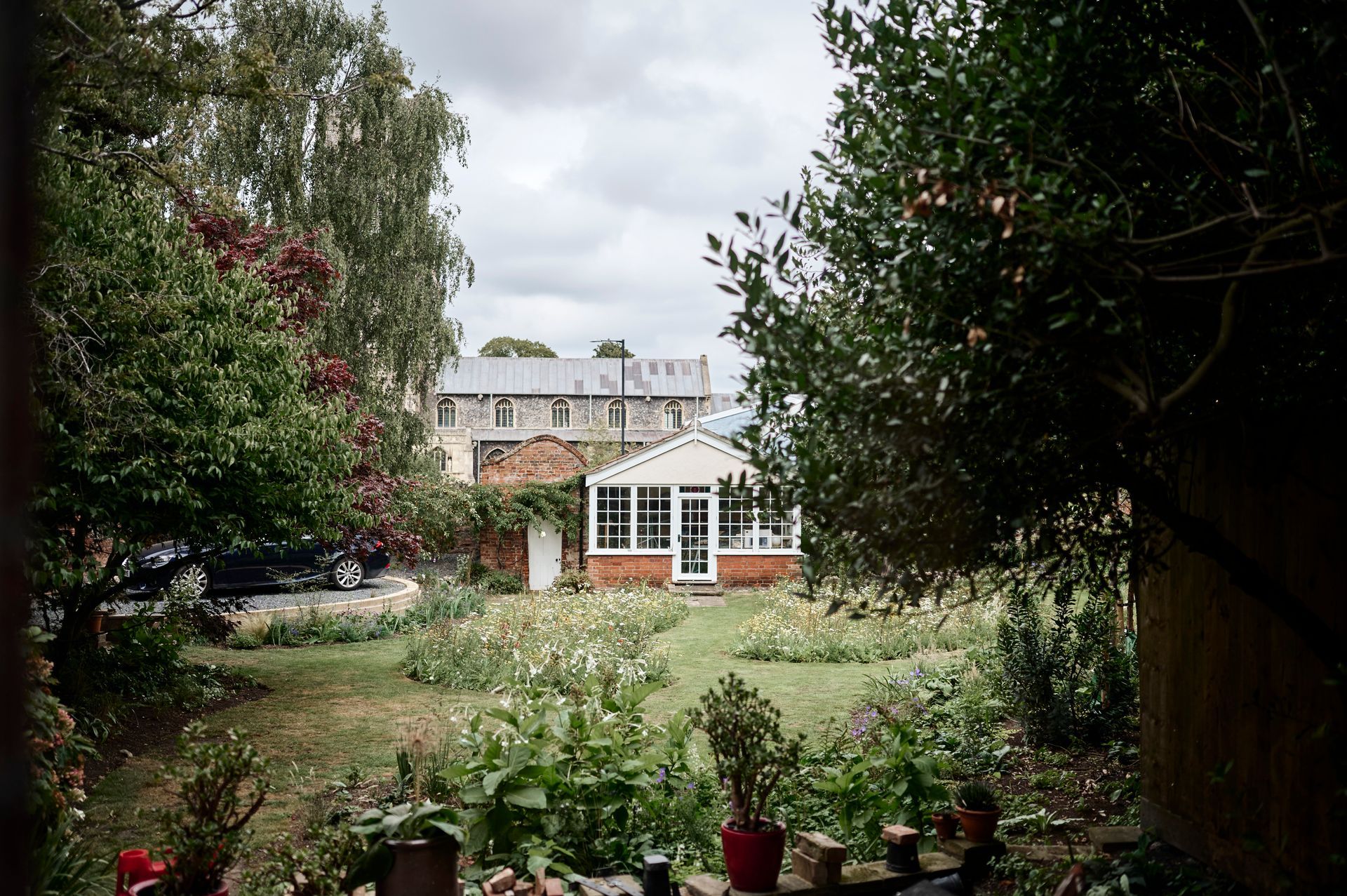
A clipped lawn can look neat, but it does little for wildlife, soil health or seasonal interest. Swap short grass for a flowering tapestry and you invite bees, butterflies and birds back into your garden while cutting down on mowing and watering.
At Teasels Biodiverse Design Consultancy in Cambridge, we create meadows that feel joyful and look beautiful, but are also rooted in sound ecology. Whether you have a small city plot or a larger lawn, you can turn a corner of it into a resilient meadow that changes through the seasons and gets better year on year.
This guide distils what we have learned designing and establishing meadows across Cambridge clays and the wider South East. It covers timing, technique and management, and answers common questions so you can start with confidence.
What a meadow really is
A wildflower meadow is a plant community of grasses and flowering plants adapted to low fertility and light-touch management. It is not a one-season burst of colour, nor a patch left to its own devices forever. The joy comes from the rhythm of growth, flowering, setting seed and a well-timed cut, which together keep the sward open and species rich.
Yes, there are flowers in a meadow. Expect a shifting cast of species from spring to late autumn. In Cambridge and similar soils, that might mean oxeye daisy, knapweed, field scabious, bird’s-foot trefoil, yarrow and fine-leaved grasses, with hoverflies, moths and solitary bees using nectar and shelter throughout the season.
Can you turn a lawn into a wildflower meadow?
You can, and lawns make excellent starting points. The key is to lower fertility and reduce competition from vigorous lawn grasses before sowing. On small sites we often strip the top layer of turf to expose low-nutrient subsoil, or exhaust the lawn with repeated scalping and raking, then sow a native meadow mix matched to soil and light. On heavy Cambridge clays, choose species that tolerate winter wet and summer dry, and protect autumn seedlings from frost heave with light mulch or horticultural fleece during cold snaps.
If you prefer an instant effect, pre-grown pictorial meadow turf is an option, but native seed mixes are typically more beneficial for local invertebrates over time.
When to sow wildflower seed in the UK
Autumn is typically the best time to sow native meadow seed in the UK, usually September to November while soils are still warm and moist. Seeds lodge well, roots establish over winter and plants are ready to grow strongly in spring. A spring sowing window exists too, generally March to May, but you will need to keep on top of watering in dry spells and manage early annual weeds.
In Cambridge, autumn sowing aligns with local rainfall patterns and helps avoid summer drought stress on heavy clay.
Can you just throw wildflower seeds around?
Broadcasting seed without preparation is tempting, but success rates are low. Seed needs contact with clean, low-fertility soil and light to germinate. If you scatter seed onto a vigorous lawn, it will mostly feed birds or wash away. Prepare a fine, firm seedbed, remove thatch and weeds, then mix seed with dry sand for even distribution and press it in with a roller or boards. Water gently if conditions are dry. A little rigour at the start pays back for years.
How to make a flower meadow, step by step
- Assess the site. Note soil type, drainage, sun and shade. On Cambridge clay, plan for winter wet, summer dry and choose species accordingly.
- Reduce fertility. Remove turf or strip thatch, and avoid adding compost or fertiliser.
- Create a clean seedbed. Rake to a fine tilth, let a flush of weeds appear, then remove them before sowing.
- Sow at the right rate. Follow the supplier’s guidance, usually a few grams per square metre for native mixes. Press seed to soil, do not bury deeply.
- Water if needed. Moisture is critical for germination and early establishment.
- Protect seedlings. On clay, a light mulch of sterile, fine grit or fleece can prevent heave in frosts.
- Manage lightly. In year one, top at 10 to 15 cm if annual weeds surge, collecting and removing arisings. From year two, move to an annual or twice-yearly cut-and-remove.
That final point is vital. Removing arisings prevents nutrient build-up and allows light to reach the base of the sward, encouraging perennials to persist.
What happens if you do not cut a wildflower meadow?
If you stop mowing completely, tall grasses and dominant perennials will outcompete the more delicate species. Over a few seasons, you will see a drop in diversity. Eventually scrub species can creep in, and the meadow character is lost. A simple annual cut-and-remove, typically once in late summer after flowering and seed fall, keeps the structure open. Some sites benefit from a second, lighter cut in late winter to tidy and reset before spring growth.
Real gardens, real results
One Cambridge client converted a large lawn on clay to a native meadow. We stripped turf to reduce fertility, sowed a local ecotype mix in October and protected the area through its first winter. By late spring the sward carried oxeye daisy and red clover, followed by knapweed and scabious in high summer. Hoverflies and leafcutter bees arrived within weeks of first flowering. Management has been simple, with a late summer cut-and-remove and a light winter tidy. The family reports far less mowing and a garden that changes weekly, with goldfinches feeding on seed heads in autumn.
In another project, we paired a native mini-meadow strip with a small water bowl, a bee post and a log pile in a compact urban garden. The layered habitats provided nectar from March to October and a place for wildlife to drink and shelter, transforming the feel and function of a tight space.
If you would like a tailored plan that fits your soil and light, our Cambridge ecological garden design team can help you choose the right mix and management for long-term success.
Ongoing care, the light-touch way
Meadows thrive on restraint. Avoid fertiliser, minimise soil disturbance and let seed heads stand over winter to feed birds and shelter invertebrates. Cut once a year after flowering, remove arisings and resist the urge to over-tidy. Add nearby habitat microfeatures such as log piles and bee posts to multiply the ecological value.
For sites with planning needs, our team also advises on Biodiversity Net Gain compliance and can align meadow creation with broader habitat targets on compact urban plots.
FAQ
- Can I just throw wildflower seeds around? You can broadcast by hand, but prepare a clean, low-fertility seedbed first. Without soil contact and light, most seed fails.
- What happens if you do not cut a wildflower meadow? Diversity declines as coarse grasses dominate. An annual cut-and-remove, sometimes with a second light winter cut, maintains richness.
- What month do you plant wildflower seeds in the UK? Autumn is ideal, typically September to November. Spring sowing from March to May also works with careful watering and weed control.
- Can I turn my lawn into a wildflower meadow? Yes. Reduce fertility, prepare a fine seedbed and sow a native mix matched to your soil and light.
- How do you make a flower meadow? Assess soil and aspect, lower fertility, create a clean seedbed, sow at the right rate, protect seedlings and manage with an annual cut-and-remove.
- Are there flowers in a meadow? Definitely. Expect a succession from spring to late summer, with species suited to your local soils and climate.
A gentle next step
Ready to trade weekend mowing for a living meadow that hums with life? Teasels specialises in wildflower meadow design Cambridge homeowners can trust, from mini strips to full-lawn conversions, with clear aftercare so your meadow thrives. Explore our approach to Cambridge ecological garden design, or get in touch for a complimentary consultation. If your project also needs planning support, we can advise on a practical BNG assessment for small sites.
Useful links:
Explore our wildflower meadow design work in Cambridge at Teasels (https://www.teasels-design.co.uk/meadowsc0d7e448)- Learn more about our Cambridge ecological garden design approach (https://www.teasels-design.co.uk/)
- Planning a project that touches on Biodiversity Net Gain? Read our guide to what Biodiversity Net Gain is (https://www.teasels-design.co.uk/what-is-bng)
