

Wildflower meadows on Cambridge clay: autumn sowing made simple
Starting a native wildflower meadow on Cambridge clay: a practical guide
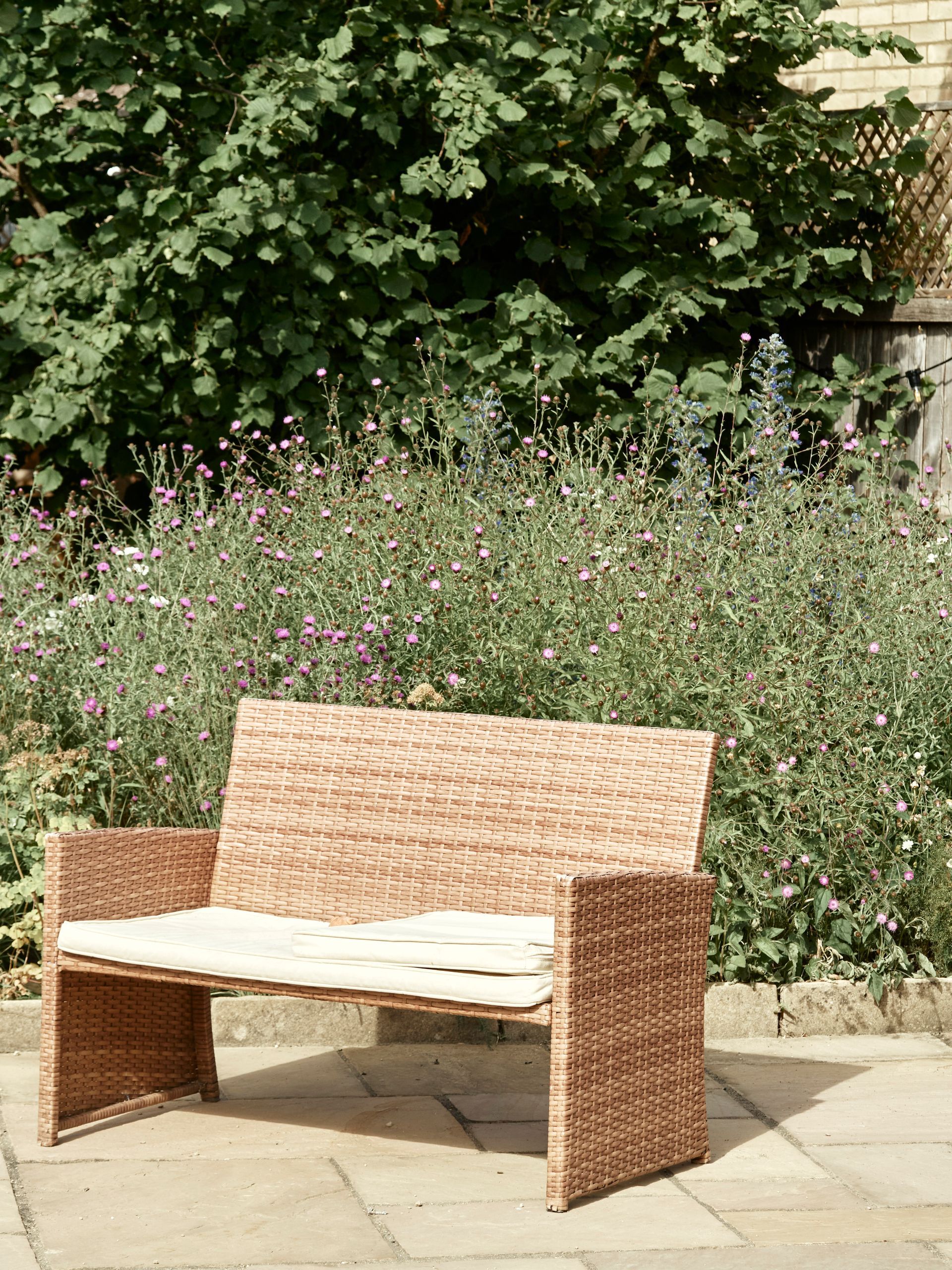
Autumn is the best moment to reset a lawn and start a native wildflower meadow on Cambridge clay. The air is cooler, the soil is still warm, and you generally get enough steady moisture without the flush of annual weeds that comes with spring sowing. If you've been thinking about making the change, now is the time.
The thing I'd say first — before anything else — is that the soil matters more than the seed. On Cambridge clay, if you put a local native mix into a compacted, nutrient-rich old lawn without preparing the ground properly, it will mostly fail. The grasses will win. Getting the soil right first is what separates a meadow that builds year on year from one that looks promising in April and collapses by July.
Why soil first on Cambridge clay
Cambridge clay is a testing thing to garden with. In winter it's wet — sometimes waterlogged. In summer it bakes hard and cracks. Shallow soil over compacted subsoil holds water in the cold months and then sheds it in the heat. On top of that, years of mowing and leaving clippings builds up fertility, and a fertile soil is exactly what you don't want for a wildflower meadow. High nutrients favour coarse grasses over flowers, every time.
A native meadow does best in moderate to low fertility, with an open, firm, clean seedbed. The less competition there is at the surface, the better the seed-to-soil contact, and the more chance the perennials have to root before summer drought hits.
Two routes to a flower meadow
There are two honest options, and you can combine them.
The first is a native meadow on low-fertility soil using UK-native, local-provenance seed. This is the ecologically stronger route for Cambridge native biodiversity and long-term stability. It takes longer to establish but it's what we'd always recommend if the goal is a genuinely wildlife-rich space.
The second is a pictorial or designer meadow — bold colour mixes or meadow turf for fast visual impact. There's nothing wrong with this and it can look wonderful, but it's not a true local plant community and it won't support wildlife in the same way.
For most domestic lawns on Cambridge clay, our suggestion is a native, soil-first approach — perhaps starting with a strip or a defined block, with any higher-impact pictorial planting near a seat or path for drama through the season.
Step-by-step: turn a lawn into a meadow
1. Mark the area Start with a defined patch or a slim strip. Full sun is ideal; partial sun can still work with the right mix. Don't try to do everything at once — a well-prepared small area will give you far more than a poorly prepared large one.
2. Reduce fertility Stop feeding. Mow and remove clippings for a few cycles if timing allows. For the chosen patch, lift turf to around 3–5 cm depth to remove thatch and nutrient-rich topsoil. On small areas this can be done by hand; on larger areas, hiring a turf cutter is worthwhile. If you can't lift turf this season, sheet mulching over winter and clearing to a clean surface in spring is a reasonable alternative.
3. Break compaction and make a fine, firm tilth Lightly fork or rake to loosen the top few centimetres without bringing up weed seed from deeper down. Remove roots of couch grass, docks, and bindweed — these will come back if you leave them. Rake level and consolidate so a boot print is shallow rather than sinking in.
4. Choose a local native seed mix Match the mix to your soil and light. For Cambridge clays, look for a heavier-soil meadow mix containing black knapweed, meadow buttercup, selfheal, meadow vetchling, birdsfoot trefoil, crested dog's-tail, and smaller fescues. Local-provenance seed — seed grown from wild stock in your region — is always better for wildlife and long-term resilience than generic commercial mixes.
5. Time your sowing Autumn, typically September to October, is optimal. Spring (March to April) is the backup window if you miss the autumn.
6. Sow and settle Mix seed with dry sand to help even broadcasting. Follow the supplier's rate — more is not better. Scatter by hand, rake lightly so seed meets soil without being buried, then firm with a roller or by gentle treading. If birds are a problem, light brash or fleece helps in the first couple of weeks.
7. Moisture management Keep the seedbed evenly damp for the first four to six weeks. On clay, avoid overwatering — you want moist, not waterlogged. A gentle evening sprinkle in dry spells is enough.
8. First-season care If annual weeds surge ahead of the perennials, do a high cut at 10–15 cm to stop them seeding while still letting the young meadow plants get light. Always remove cuttings — leaving them puts nutrients back into the soil, which is the opposite of what you're trying to achieve.
Clean seedbed vs. oversowing
Broadcasting onto live, fertile turf almost never works. Thick sward and high nutrients block light and favour grass. If you want a quick trial without full removal, scarify hard to expose bare soil and then sow. Results are mixed, but it can create a temporary nectar bump before you commit to a proper conversion. I'd always rather see someone start small and do it properly than try to cut corners on a large area.
Mosaic mowing for real gardens
You don't have to give up all your lawn. Mosaic mowing is something David and I suggest to almost every client — it keeps space usable while building in genuine wildlife value.
Keep a crisp mown path or edge so the meadow reads as intentional rather than just unmown. Leave larger blocks long through summer for flowers and insects. Rotate which patches stay long each year to vary structure and available nectar. It's a simple shift in management, and it makes an enormous difference.
Cut-and-remove is non-negotiable
This is the part people most often skip, and it's the part that matters most. A cut-and-remove regime keeps fertility down and diversity up. For most native meadows on Cambridge clay:
- One main cut in late summer, after seed has dropped. Rake up and remove all arisings so nutrients aren't returned to the soil.
- Optionally, a late-winter cut-and-rake on vigorous sites to thin thatch and let light in to the base.
- If coarse grasses start to surge, scarify in late summer and top up with a small autumn reseed.
If you leave the cuttings in place, you will gradually undo all the fertility reduction you worked hard to achieve. It doesn't take many years for a meadow to go backwards if this step is missed.
What to expect in year one and two
Year one is often quieter than people expect, and that's completely normal. You'll see green growth, some pioneer species, and a look that's probably more modest than Instagram promises — especially if your soil started rich. Stay the course. The perennials are rooting, not flowering.
Year two is when it starts to come together. Knapweed, oxeye daisy, yarrow, selfheal, and birdsfoot trefoil show their structure. Insects and birds usually find the area quickly, particularly if it connects to hedges, ponds, or neighbouring green space. By year three, a well-managed meadow on Cambridge clay can be genuinely extraordinary.
Mini-meadow strips for compact plots
In a smaller garden, a 50–80 cm strip along a sunny fence or boundary can be enough to make a real difference. Pair it with a native hedge, a shallow water bowl, and a small log pile and you've built a habitat chain without losing usable space. Keep a mown path in front for access and a clean, settled look — it makes the meadow read as deliberate rather than neglected.
Common pitfalls to avoid
- Skipping turf removal or hard scarifying on live, fertile lawn
- Burying seed or sowing too heavily
- Leaving cuttings in place and re-fertilising the sward
- Heavy watering that puddles clay
- Expecting peak bloom in year one on a formerly well-fed lawn
Quick FAQ
When do you plant wildflower seeds in the UK? Autumn — typically September to October — is the best window. Spring (March to April) is the backup if you miss it.
Can you turn a lawn into a wildflower meadow? Yes. Define an area, reduce fertility, prepare a clean seedbed, sow a native mix suited to your soil, and manage with cut-and-remove. It takes patience, but it works.
Can you just throw wildflower seeds around? No. On live, fertile turf the seed rarely takes. Prepare the soil and make sure seed has proper contact with bare earth.
What happens if you don't cut a wildflower meadow? Thatch builds, nutrients rise, coarse grasses dominate, and diversity drops. Cut and remove once yearly as a minimum, with a late-winter tidy on vigorous sites.
How do you make a flower meadow? Choose your route. For a native meadow, lift turf, create a fine firm tilth, sow in autumn, keep evenly moist, and manage with annual cuts and removal of arisings.
Local help and next steps
If you're in or near Cambridge and want site-specific guidance on clay soils, David and I can help with seed mix selection, layout, and ongoing aftercare. Have a look at our Cambridge ecological garden design approach to see how we connect meadows with ponds, hedges, and rain-smart planting — or get in touch for on-site guidance on wildflower meadow design in Cambridge. If your project also touches on planning, we can align habitat creation with BNG aims and provide practical input on documentation and surveys: planning questions, small sites, or BNG paperwork in Cambridge.
Start small, prepare the soil well, choose a local-provenance mix, and manage with a simple cut-and-remove routine. Do this in autumn and your Cambridge clay meadow will build structure and life year on year. If you'd like a practical steer on layout or mix selection, we're always happy to talk it through.
