

Eco-Garden Design: Simple Steps to Make Your Garden More Sustainable
Eco-Garden Design
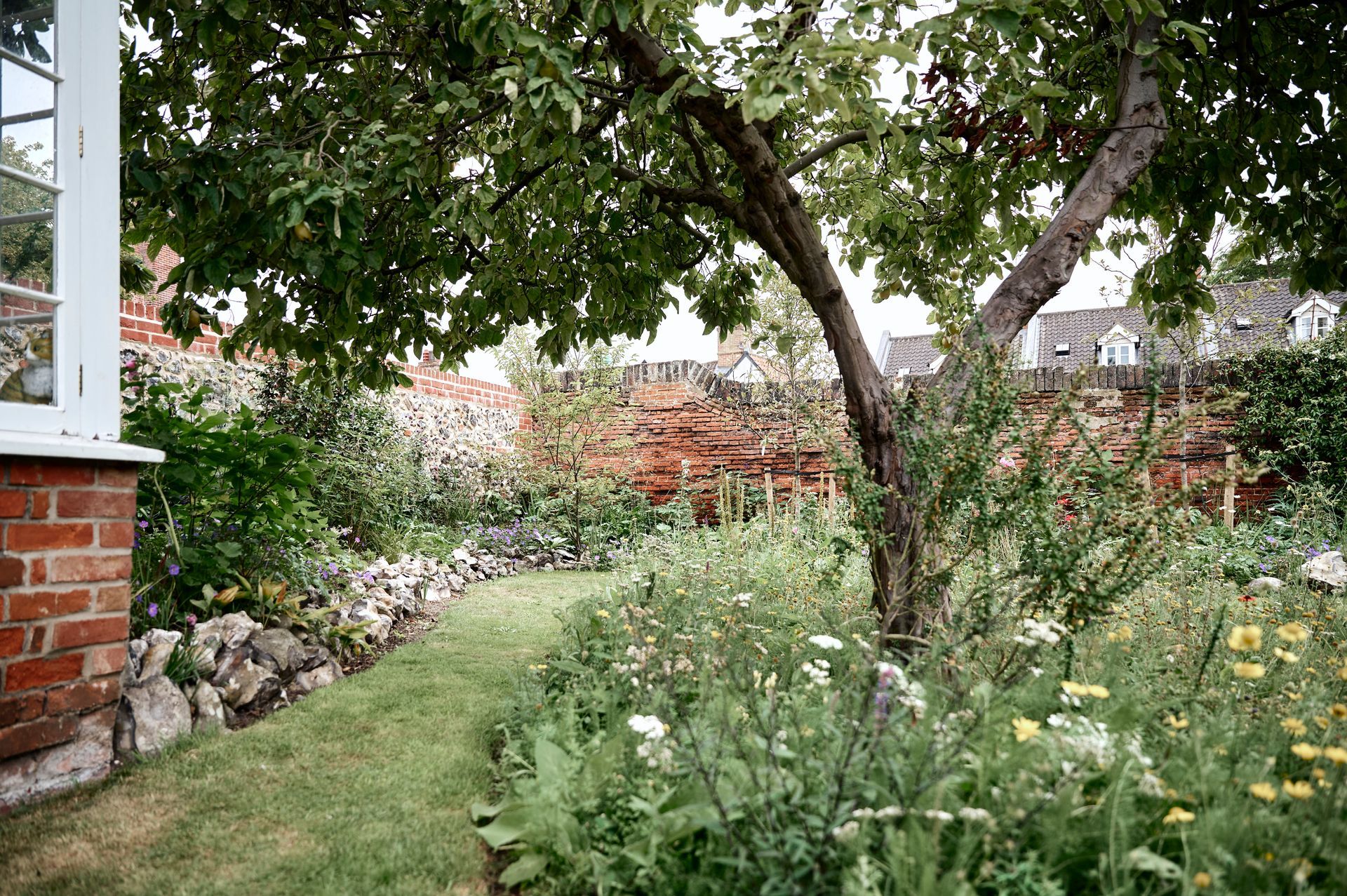
Eco-Garden Design: Simple Steps to Make Your Garden More Sustainable
If you live in or around Cambridge and want your garden to hum with life, you are in the right place. Sustainable garden design is not only about saving water or avoiding chemicals. It is about building a resilient, beautiful outdoor space that supports soil life, pollinators, birds and you. In this guide, you will learn the essentials of eco-design, how to get started at home, and which plants thrive in local conditions such as Cambridge clays. You will also see how a light-touch approach often delivers the richest results.
What is eco-design in the garden?
The theory of ecodesign is simple, design with nature as your client. In practice, that means selecting plants and materials that fit your site, creating varied habitats, and managing the garden so natural cycles can unfold. The basic concepts of eco-design include:
- Place first, choose plants for your soil, light and moisture so they flourish with fewer inputs.
- Native structure, aim for a backbone of native species to feed local insects and birds.
- Water wise, capture rainfall in the ground with soil health and rain gardens, and slow run-off.
- Low intervention, disturb soil less, mow less, and leave seed heads and leaf litter to support life.
- Measurable benefit, look for real improvements, more insects, more birds, healthier soil.
These ideas form the core principles of ecodesign, right down to a small courtyard. Start with what the place wants to do, then layer in planting and habitat to help it thrive.
Soil first, always
Healthy soil is the engine of a sustainable garden. On Cambridge clays, winter can be wet and summer can be hard-baked. Work with that.
- Avoid digging when wet to protect structure.
- Add organic matter in spring or early autumn, a light mulch that worms can pull down.
- Keep roots in the ground year-round. Plant densely and leave living roots to feed soil life.
- Ditch synthetic fertilisers. They give a quick hit but reduce long-term resilience.
Better soil holds water in a downpour and releases it in dry spells. It also reduces the need for irrigation and feeds your plants the slow, natural way.
Planting for place and biodiversity
To make your garden more environmentally friendly, choose plants that suit your site and support local wildlife. For most Cambridge gardens we recommend a native backbone of 60 to 80 percent, then weave in a few non-invasive perennials for longer season colour and nectar.
Good natives for heavier soils and mixed sun:
- Trees and shrubs, hawthorn, field maple, spindle, hazel, dogwood, guelder rose.
- Meadow and verge species, oxeye daisy, knapweed, yarrow, wild marjoram, bird’s-foot trefoil.
- Grasses, meadow foxtail, red fescue, tufted hair grass, particularly near damp spots.
Shade or woodland edge:
- Dog violet, greater stitchwort, wood avens, primrose, ferns, and a small log pile for beetles.
Rain garden or seasonally wet zones:
- Meadowsweet, sedges, rushes, purple loosestrife, and transitional plants such as knapweed and yarrow on the drier rim.
A small number of well-chosen ornamental perennials can extend nectar into late autumn. Think asters, salvias and long-flowering hardy geraniums to bridge gaps for pollinators.
If you want help selecting site-specific palettes that balance ecology with beauty, explore cambridge ecological garden design to see how we approach plant choice across soils, shade and exposure.
Meadows and mini meadows
A flower-rich lawn is a powerful step. You can convert a strip or patch into a mini meadow. In autumn, prepare a clean, low-fertility surface, sow a local native mix, and keep disturbance low. Through summer, leave it unmown, then cut and remove arisings once or twice a year to keep fertility in check.
This routine invites butterflies, bees and beetles, and it is low effort once established. For Cambridge settings, we often mix fine grasses with knapweed, yarrow, wild carrot, selfheal and scabious for a long season. If you are curious about design and management options, see wildflower meadow design cambridge for practical guidance.
Water, ponds and rain capture
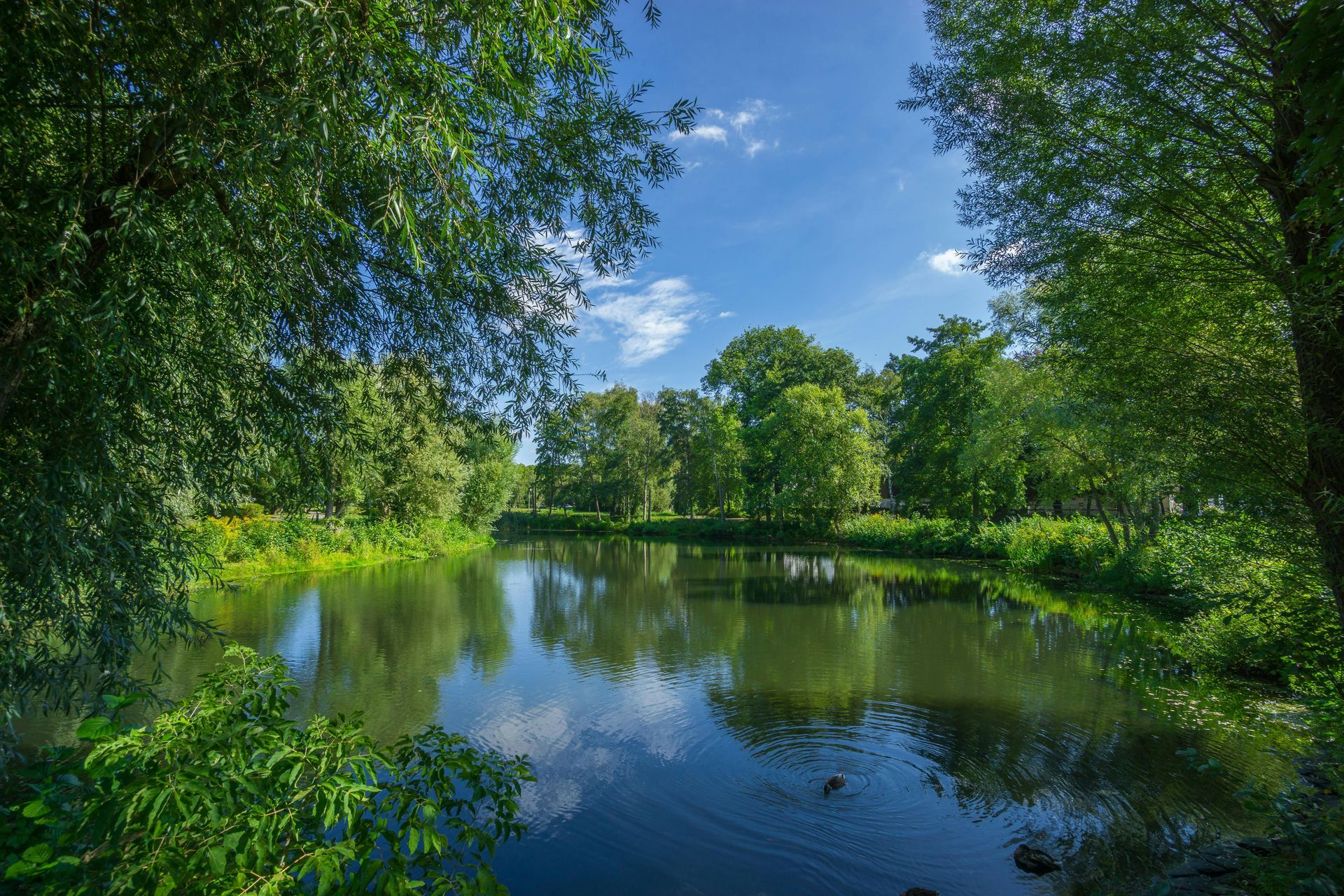
Water draws life in. Even a shallow bowl, kept clean and topped up, will attract birds and pollinators. If space allows, a small wildlife pond with gently sloping edges and a mix of submerged oxygenators and marginal flowers is ideal. Rain gardens are another resilient tool, slowing and filtering stormwater while blooming for pollinators. On clay, grade a shallow basin, use a free-draining top layer, and select plants tolerant of winter wet and summer dry.
Habitat micro-features that make a big difference
Tiny structures unlock huge ecological value.
- Bee hotels and bee posts in a sunny spot.
- Log piles and leaf litter stacks tucked away for beetles, amphibians and hedgehogs.
- A dead hedge or brushwood stack for nesting birds and overwintering insects.
- Gaps under fences to let hedgehogs roam.
These are quick to build and child-friendly to create during school holidays.
Hands-off management
Sustainable gardening is often about doing less, not more.
- Reduce mowing. Leave some areas tall until late summer.
- Skip excessive deadheading, and let seed heads stand through winter.
- Avoid pesticides and herbicides, especially glyphosate. Target weeds by hand where possible.
- Prune lightly and at wildlife-friendly times. Check for nests before cutting.
This approach supports lifecycles, builds structure, and creates a garden that changes beautifully with the seasons.
Simple, sustainable steps to start this weekend
- Swap a mower pass for a mini meadow strip.
- Add a shallow water bowl near a shrub for cover.
- Plant three native perennials suited to your soil.
- Create one small log pile and one leaf pile.
- Commit to a no-chemical policy and observe what changes.
Small actions stack up. You will see more hoverflies, bumblebees, and birds within weeks.
How expert input helps
Every garden is unique. Soil, shade, shelter and your goals shape the plan. A short site visit and design session can save costly replanting and speed up your results. If you are planning a full transformation or simply want a confident start, our team can guide plant selection, meadow establishment, pond design and low-intervention management tailored to Cambridge conditions. Learn more about cambridge sustainable garden consultancy and how we build resilient, habitat-rich spaces that still feel welcoming and usable for families.
Summary and next steps
Eco-garden design rests on clear principles, start with place, build a native backbone, slow and store water, create varied habitats, and manage with a gentle hand. On Cambridge clays, that looks like soil-first care, drought and deluge tolerant planting, mini meadows, small water features, and microhabitats that invite life in. Choose locally suited plants, reduce disturbance, and give nature room to breathe. If you would like a friendly, expert eye on your garden, we offer a complimentary consultation to help you map simple steps into a coherent plan. Get in touch, and let us help you turn your patch into a thriving, biodiverse sanctuary.
