

Rewilding a small garden
Nature friendly gardening
After a harsh, isolated winter, spring has finally arrived. The days are growing longer, the sweet scent of cherry blossom fills the air, and our gardens are waking from their winter dormancy.
As daytime temperatures rise, we are reacquainted with old friends from last year. We see the first foraging bumblebee tumbling from the resplendent crocus, before moving on to the vibrant yellow trumpets of the daffodil.
Often seen as a symbol of hope and rebirth (rather apt given our recent circumstances), the flight of the Clouded Yellow butterfly punctuates the spring sky.
For me, these are signs of hope. Wildlife gardening is, at its heart, the constant pursuit of hope: what we do in the garden today, we trust will pay off in the future.
As we finally break free from the last shackles of lockdown, we can once again step into our gardens, reconnecting with ourselves and with nature.
Whether your garden is a large estate, a modest back garden, a shared communal space, or simply a window box, everything we do — everything we plant, everything we water — can and does make a difference to wildlife.
It’s important to remember that many of our native insects are highly mobile. They travel — some more than others — and your garden can become a vital stopping point for these plucky travellers. Our gardens act as stepping stones, forming wildlife corridors. Each flower, leaf, stem and water feature can be used by insects along the way.
Nature, in its resplendent glory, is a complex web of interconnected relationships. But it relies on being joined up and connected. Gardens play a central and fundamental role in achieving this. Size isn’t everything. And the good news? You don’t need to completely rewild your garden to make it wildlife-friendly.
In fact, research conducted by the Landscape Department at the University of Sheffield has shown that domestic gardens are the most biodiverse landscape type in the UK.
Now is the time to turn our gardens into miniature nature reserves. Biodiversity conservation can — and should — be integrated into everyday gardening.
It was once said, “If you build it, they will come.” If we provide habitat, insects will use it. Think of it this way: provide wildlife with bed and breakfast, and they’ll be happy. They need shelter and food. It really is that simple.
One of the biggest drivers of biodiversity is a mosaic system of habitats — an area made up of multiple habitat types sitting alongside one another.As gardeners, we have the power to create this mosaic within our own little patch of East Anglia.
So what habitats could you create in your garden?
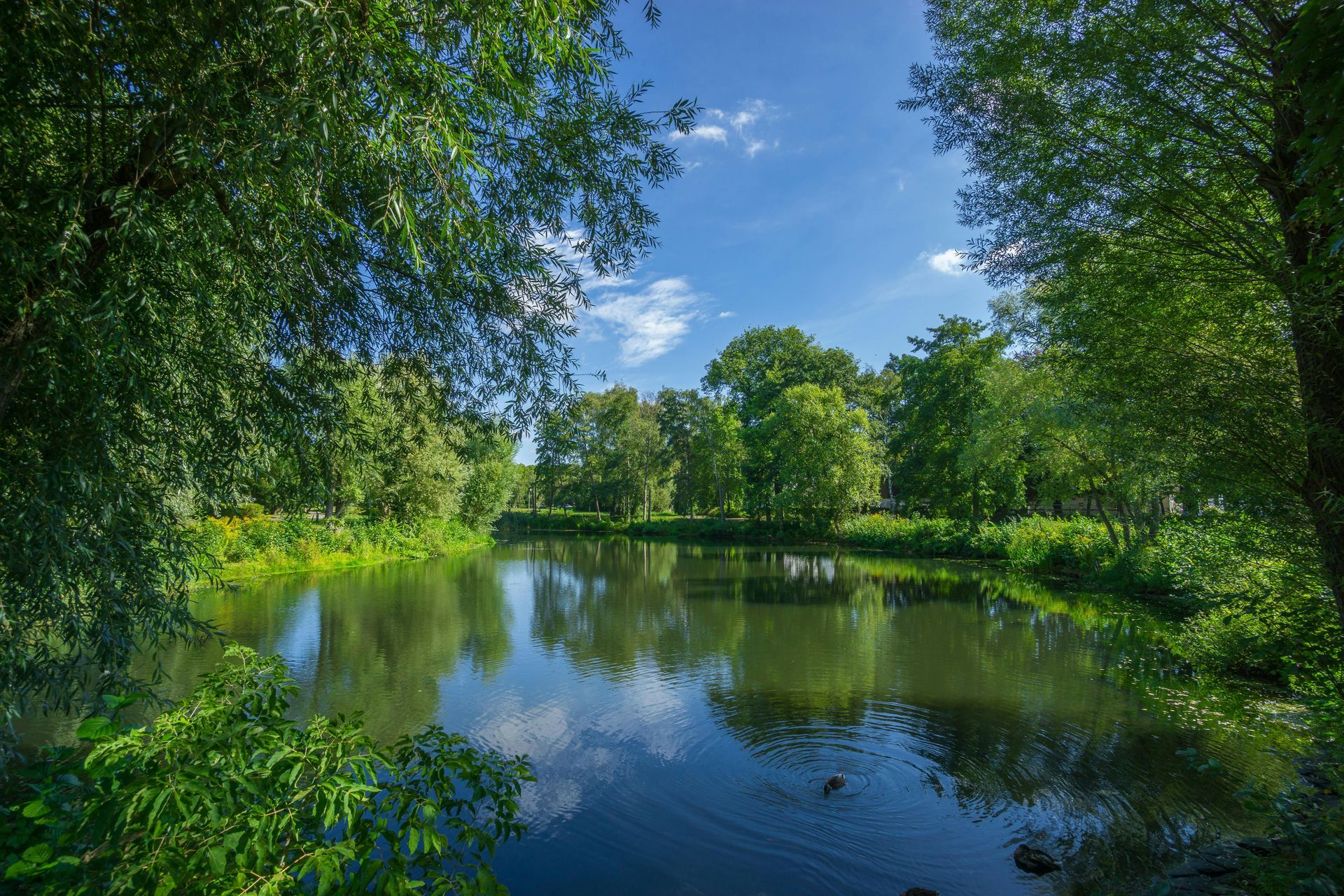
Could you add a pond? A wildlife garden is rarely complete without one. A pond introduces wetland habitat and supports an extraordinary range of species.
If your “garden” is a small terrace or balcony and a pond isn’t feasible, you can still create a micro bog habitat. Simply fill a container with soil and keep it saturated with water. Many bee species will thank you — they prefer to rehydrate from muddy water rather than open sources. As I said earlier, even the smallest action can make a difference.
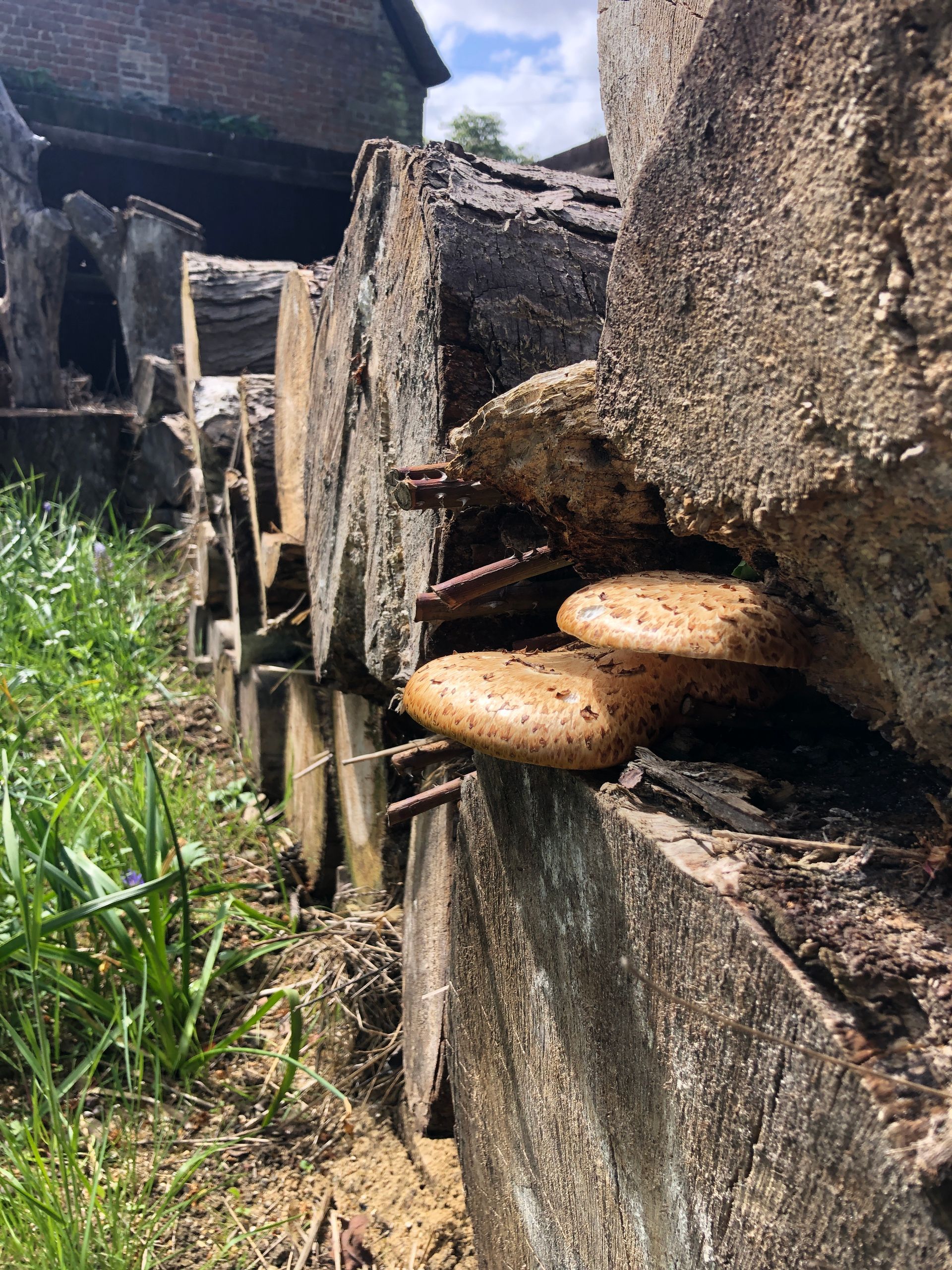
If space allows, could you replicate the habitats wildlife has evolved within? A simple log pile, for example. Better still, a log pile beside a pond, next to a wildflower meadow, adjacent to a native hedge.
Plant diversity matters — but so does diversity of habitat structure.
Take bare soil. As gardeners, we often see it as an aberration. We rush to cover it with plants or bark mulch. Yet bare soil is a habitat in its own right. Over 200 species of native solitary bees rely on bare ground as an entry point for their nests. These unsung pollinating heroes need exposed soil to survive.
Could you create an area of regularly disturbed soil to mimic an annual cornfield meadow? This kind of disturbance benefits quick-growing, highly floriferous plants. Cultivation replicates the trauma and disruption these species have evolved to thrive within.
When planting, consider a mix of native and non-native species. Numerous studies show that pollinators are not particularly selective about where their nectar and pollen come from. By planting both native and non-native plants, you can extend flowering — and food availability — by up to three months. Many UK native flowers finish by late July; non-natives can carry pollen and nectar resources through to October, sometimes even early November.
And if you feel the urge to visit the garden centre, remember: some of the most valuable plants are completely free.
They’re called weeds.
Yes — weeds.
A weed is simply a plant in an undesirable place. Perhaps it’s time to reassess that definition. Some species may be invasive, but many native “weeds” have co-evolved with our wildlife over millions of years. They form the bedrock of the food chain; without them, complex ecosystems simply couldn’t function.
I was reminded of this recently while removing some unwanted grass in my own garden. Beneath it, I spotted the unmistakable caterpillar of the Elephant Hawk-moth, slowly climbing the stem of a common “weed” — the dandelion. It was a tranquil, almost timeless moment, and a reminder not to be over-tidy.
Wildlife gardening is always a balance: encouraging the desirable while tolerating the undesirable.
We celebrate honeybees, yet curse slugs and snails. We’re often tempted to reach for pesticides and herbicides to restore “control”. But when we do, we don’t just affect our intended target — we cause devastating, long-lasting harm to the very insects we value most.
So could you make a promise to yourself this gardening year? Could you hold your nerve?
If you spot a weed, pest or disease, allow nature time to respond. Gardens will rebalance themselves. If your roses are covered in aphids, wait for ladybirds to arrive. If slugs and snails are an issue, consider adding a pond — frogs will happily take care of the rest.
The beauty of the wildlife garden is that it never stops. It is a continuous cycle of growth and decay. And there is beauty in decay: habitat in decay, nourishment in decay. One generation feeds the next, endlessly.
So enjoy the year ahead in the garden. Take time to notice. Take time to observe. And enjoy sharing your space with our wild neighbours.
