

Cost Considerations: Gardening and Landscaping in the UK
What do landscape gardeners charge?

Cost Considerations: Gardening and Landscaping in the UK
Hiring a gardener or landscaper can transform your outdoor space, but understanding fair pricing is essential before you commit. In the UK, rates vary by region, service type and experience. If you are looking for sustainable, habitat rich results, it also helps to know what adds genuine long term value, not just short term tidiness. This guide breaks down typical costs, explains what influences them, and offers simple ways to keep your project efficient, beautiful and biodiversity friendly.
What do landscape gardeners charge?
Landscape gardeners typically price by the job rather than the hour, because projects combine several trades, materials and site logistics. As a broad guide:
- Small makeovers and tidy ups, from £500 to £2,500, usually include pruning, soil improvement, bed reshaping and light planting.
- Hard and soft landscaping projects, from £5,000 to £25,000 for a mid sized garden, might include new borders, paths, seating areas, lawn reduction, rain garden features and a planting plan.
- Full garden redesigns and builds, commonly £15,000 to £60,000 plus, depend on layout complexity, materials, site access and whether you include structures, water features or meadows.
Design only services are usually quoted separately. Concept design packages for domestic gardens often start from £800 to £2,500 for small spaces, then scale with detail, surveys and planting schedules. If you are seeking ecologically informed design, allow budget for site analysis, soil testing and aftercare plans that help your new habitats establish well.
How much should you pay a landscaper per hour in the UK?
For on site labour within a landscaping project, day rates are more common than hourly fees. Converted to hourly ranges, you will typically see:
- General landscape operatives, £20 to £35 per hour equivalent.
- Skilled landscapers and team leaders, £30 to £50 per hour equivalent.
- Specialist crafts such as stonework, water features or heritage paving, £40 to £70 per hour equivalent.
These figures reflect labour only. Planting stock, sustainable aggregates, soil improvers, waste removal, machinery and travel are added separately. Projects in London and the South East often sit at the higher end due to overheads and access constraints.
How much should you pay a gardener per hour in the UK?
Routine garden care, bed maintenance and light planting are usually billed hourly. Typical ranges are:
- Independent gardeners and small teams, £20 to £35 per hour.
- Qualified horticulturists with specialist knowledge, £30 to £45 per hour.
- Consultancy based visits with tailored advice and planning, £50 to £90 per hour, sometimes more if a report or plan is delivered.
Expect minimum call out times of two to three hours to make travel and setup viable. If green waste removal is included, there is often a per bag or per load charge. Transparent scopes reduce surprises, so ask for an estimate that separates labour, materials and disposal.
What affects cost the most?
Several factors shape your final figure:
- Site access and logistics: Terraced streets, narrow side passages and permit parking increase time and labour. Bulk materials may need smaller, repeated deliveries.
- Ground conditions: Heavy clay, rubble, compaction and level changes require more preparation. Sustainable solutions like cut and remove regimes for future meadow areas reduce long term costs, but still need an up front plan.
- Material choices: Locally sourced, low impact materials can be cost neutral or slightly higher than imports, yet they usually lower transport footprints and wear better over time.
- Planting quality and size: Larger specimens cost more but give instant impact. Smaller, native first mixes are budget friendly, establish quickly, and support pollinators from spring to autumn when designed well.
- Design complexity: Curves, level changes, SuDS features and bespoke joinery add design and installation time. When these features deliver biodiversity and resilience, they often reduce maintenance costs later.
Budgeting for sustainable outcomes
A sustainable garden can be cost smart if you focus on long lived structure and ecological function:
- Start with the site: Match plants to soil and aspect to reduce replacements and watering. On Cambridge clays, choose species that tolerate winter wet and summer dry.
- Reduce hard surfaces: Permeable paths, compact seating areas and generous planting reduce materials and disposal costs while improving drainage.
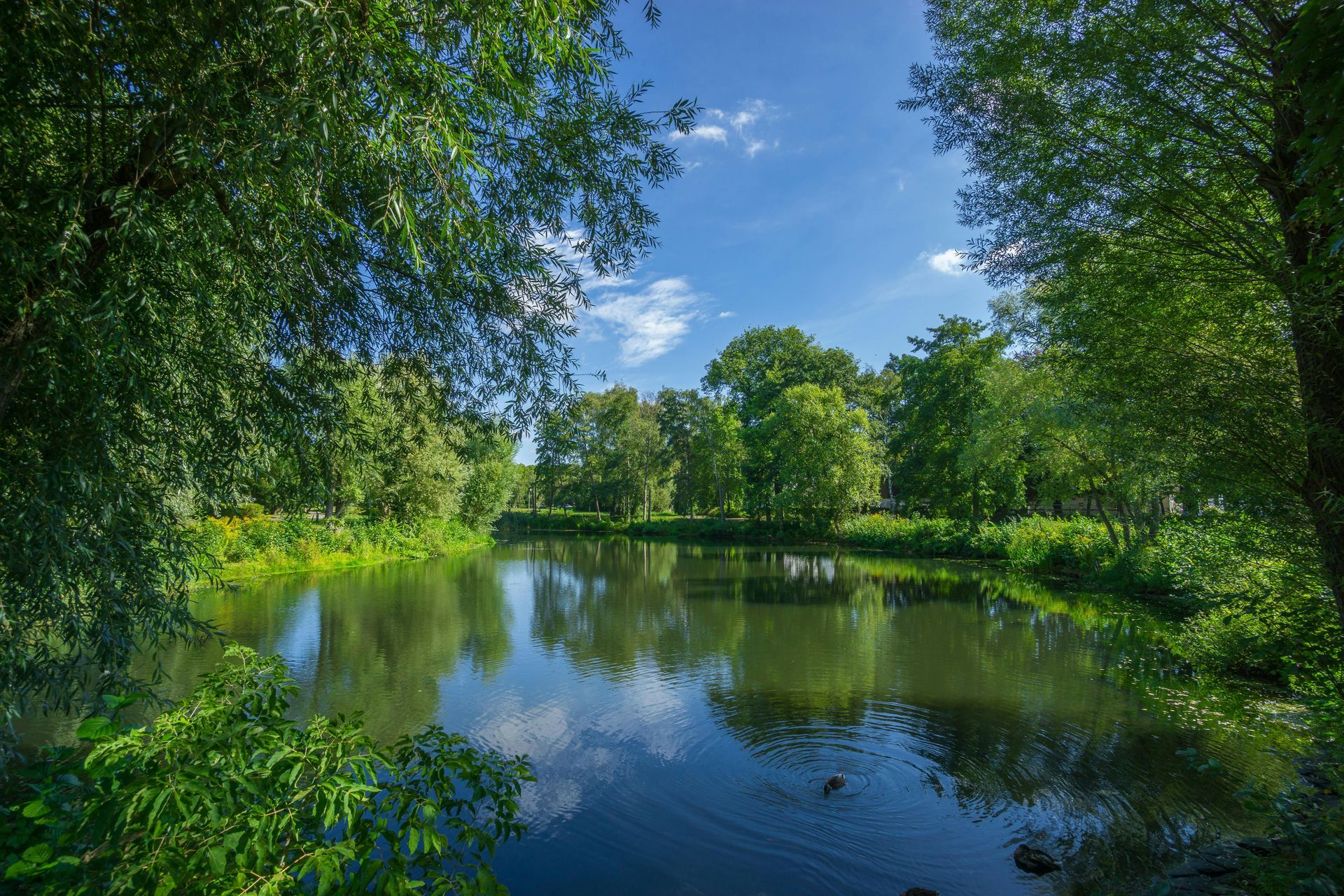
- Prioritise habitat: Mini meadow strips, a small wildlife pond with shallow margins, a mixed native hedge and log piles offer excellent value for wildlife and require modest budgets to install.
- Phase your project: Build the bones first, then plant in stages. Meadows and young natives establish quickly with the right aftercare, which spreads cost and risk.
If you are planning a project in Cambridgeshire or nearby, exploring landscaping cambridge will give you a feel for local, habitat led options and typical scopes.
Getting accurate quotes
To compare like for like, ask each professional to price the same scope with clear assumptions:
- A short brief describing how you use the space and your sustainability priorities.
- A simple plan or measured sketch, photos and notes on sun, shade and soil.
- A preference list, for example rain garden planting, mini meadow, wildlife pond, reduced lawn, or low input management.
- A request to separate design, labour, materials, waste and VAT.
- A line for optional items, such as larger specimen trees, instant hedging or meadow turf, so you can choose what to prioritise.
For new builds or developments, planning and ecology tasks can shape timelines and budgets. If you need help with metrics or planning submissions, explore what is biodiversity net gain to understand how habitat creation links with cost and compliance.
Ways to keep costs sensible without cutting corners
- Keep existing topsoil on site where suitable, and improve it with organic matter rather than replacing it.
- Resize ambitions, not quality. A smaller terrace with excellent detailing beats a large paved area you later regret.
- Choose native first planting with a few reliable floriferous perennials for long seasonal interest.
- Agree on a light touch maintenance plan. Fewer cuts and leaving seed heads standing save time and benefit wildlife.
- Schedule work outside peak seasons for better availability and sometimes better rates.
When to bring in a specialist
If you want resilience to drought and deluge, or you are targeting measurable ecological benefits, a designer with ecological expertise can prevent costly mistakes. They will match species to microclimates, design gentle pond edges, specify rain garden substrates and set up cut and remove regimes for meadow areas. This reduces rework and improves long term performance.
If you are in the region and want expert guidance tailored to place, you can speak to a studio focused on cambridge design for sustainability for site led, practical advice.
Summary
- Gardeners in the UK generally charge £20 to £45 per hour depending on experience and scope. Landscapers tend to price by the project, with labour equivalents of £20 to £70 per hour depending on skill level and region.
- Total project costs vary with access, ground conditions, materials and design complexity. Sustainable choices often offer better lifetime value and lower maintenance.
- Get clear, comparable quotes and prioritise features that build structure and habitat. Meadows, rain gardens and small, wildlife friendly water features deliver strong results on realistic budgets.
If you want a landscape that is beautiful, practical and kind to wildlife, we offer ecologically informed design and advice across Cambridge and the South East. Whether you need a concept plan, planting design or planning support, we are happy to help you set a fair budget and deliver a garden that thrives.
